
Ubuntu - Meyer Computer Mini Review
One of the most popular Linux distros
Discovery
If you are coming from Windows 11 and thinking about trying Linux for the first
time, Ubuntu is usually one of the first names you will hear. During my research into Linux
distributions, I spent hours watching YouTube reviews and reading recommendations from tech
websites to figure out which distro might be worth exploring. One name kept appearing over and
over again: Ubuntu.
One of the biggest reasons Ubuntu is recommended so often is its large support community. Since
millions of people around the world use Ubuntu, it is much easier to find tutorials,
troubleshooting guides, software recommendations, and beginner-friendly help forums. For someone
new to Linux, that level of support can make a huge difference. Instead of spending hours trying
to solve a problem alone, there is usually already a guide or discussion available
online.
I am approaching this from the perspective of a longtime Windows 11 user looking for a realistic
alternative operating system. My Linux experience is still fairly basic, but part of the goal is
learning as I go. Rather than replacing Windows immediately, I wanted to test several Linux
distributions in a safe environment to see which one felt the most comfortable and practical for
everyday use.
Installation
To begin testing Ubuntu, I downloaded the latest ISO image for the GNOME version of
Ubuntu and created a virtual machine using Hyper-V. The installation process was surprisingly
simple. Ubuntu walks users through the setup with clear prompts, making it much less
intimidating than many people expect. Within a short time, the operating system was installed
and ready to use.
The first major adjustment was the GNOME desktop environment itself. Unlike Windows, the taskbar
is positioned on the left side of the screen, and the desktop is intentionally kept clean with
very few icons. At first, the layout felt unfamiliar and even slightly confusing. Windows users
who are used to a traditional Start Menu and desktop shortcuts may feel lost during the first
few hours. However, after spending some time exploring the menus and settings, the design
started to make more sense.
What stood out most was how polished and modern Ubuntu felt right out of the box. Basic
applications, system settings, and software tools were already included, allowing me to start
experimenting immediately without hunting down extra programs. Ubuntu also appears to run
efficiently on older hardware, which is one reason many users turn to Linux in the first place.
Older PCs that struggle with newer versions of Windows can often gain new life with a
lightweight Linux setup.
My goal with this project is not to become a Linux expert overnight. Instead, I want to compare
several Linux distributions, learn how they differ, and figure out which one could realistically
serve as a daily operating system. So far, Ubuntu has made a strong first impression because of
its beginner-friendly setup, massive online support community, and clean overall design. While
there is definitely a learning curve for Windows users, Ubuntu feels approachable enough for
anyone willing to spend time learning something new.
Hyper-V Settings for Ubuntu
For my testing, I decided to install Ubuntu as a virtual machine instead of using
dedicated hardware. Running Linux inside Hyper-V makes it much easier to experiment without
risking changes to your main Windows installation. If you are only testing Linux or learning the
basics, virtualization is one of the safest and most convenient ways to get started.
This section assumes you already have some experience working with Hyper-V. The following
settings were the minimum hardware requirements that worked reliably in my test environment. If
you plan to use Ubuntu as a full-time operating system, you will probably want to allocate
additional memory, processor power, and storage space for better performance.
Once the virtual machine is created, simply boot from the Ubuntu ISO image and follow the
installation prompts. The setup process is straightforward and beginner-friendly. After
assigning your administrator password and completing the installation, the system should be
ready to use within minutes.
Hyper-V Settings at a glance:
- Security = Key Storage Drive Disabled
- Generation = 1(IMPORTANT! - Will not boot if set incorrectly.)
- RAM = 4096 or more, (non-dynamic)
- Virtual Processors = 2 or more
- Virtual Hard-Disk = 100 Gig or more
- Network Adapter = vSwitch
- Integration Services = Check everything
- Checkpoints = disabled
- Page Files = disabled
- Autostart = None
- Automatic Stop = Save
Windows Hyper-V Video Settings for Debian Based Distros
One issue I noticed while testing Debian-based Linux distributions in Hyper-V was
display scaling and screen resolution support. Unlike Windows virtual machines, expanding the VM
window does not always automatically adjust the Linux display resolution. In some cases, the
resolution options available within the operating system are also very limited.
Fortunately, there is a workaround involving a small modification to the GRUB bootloader
configuration. By manually specifying the desired screen resolution in GRUB, it is possible to
improve the display experience and use larger resolutions within the virtual machine. This can
make Linux much more comfortable to use, especially on high-resolution monitors.
If needed, Meyer Computer can provide additional instructions for making these GRUB display
adjustments in Debian-based Linux distributions.
Printer Driver Support in Ubuntu
One area where Ubuntu impressed me was printer detection and setup. I expected to
spend time searching for Linux drivers or manually configuring printers, but the experience was
much easier than anticipated.
My Brother laser all-in-one printer was automatically detected on the network almost immediately
after Ubuntu finished loading. No driver downloads or manual setup steps were required. I simply
selected the printer, sent a test page, and printing worked without any problems. For users
coming from Windows, this kind of plug-and-play support makes Linux feel far less intimidating
than many people expect.
At this point, I have only tested the printing functions of the Brother device. I have not yet
experimented with the scanner features, so additional software may still be required for full
scanner support. There may be Linux utilities available directly from Brother, or I may need to
explore generic Linux scanning applications such as SANE, which is commonly used for scanner
support in Linux environments.
I also tested an HP LaserJet Enterprise M608 network printer, and Ubuntu detected it
automatically as well. Printing worked immediately with no noticeable issues during setup. So
far, hardware compatibility for basic network printing has been one of the more positive
surprises during my Linux testing experience.
For anyone considering switching from Windows to Linux, modern printer support may be far better
than expected, especially with common business-class laser printers from companies like HP and
Brother.
Wi-Fi Support in Ubuntu
I was not able to fully test Wi-Fi support in Ubuntu because my installation was
running inside a virtual machine. Since the VM was connected through the host computer’s
Ethernet connection using Hyper-V, Ubuntu simply used the network connection provided by the
Windows host system.
In the future, I plan to convert an older laptop into a dedicated Ubuntu machine so I can
properly test wireless networking, battery life, and overall hardware compatibility. I will
update this article once I have more hands-on experience with Ubuntu running directly on
physical hardware instead of inside virtualization software.
From what I have researched so far, Intel Wi-Fi adapters tend to work very well with Linux
because many of the drivers are already included in the Linux kernel. In many cases, wireless
networking works immediately after installation without requiring extra downloads or
configuration. This is one reason Intel-based wireless hardware is often recommended for Linux
systems.
However, compatibility can vary depending on the wireless chipset being used. Some off-brand or
lesser-known Wi-Fi adapters may require additional drivers, firmware packages, or manual
configuration steps before they function correctly. This has historically been one of the more
common frustrations for Linux beginners, although hardware support has improved significantly in
recent years.
If you are considering switching from Windows to Linux, it is probably a good idea to research
your laptop or wireless adapter model ahead of time to confirm Linux compatibility. Fortunately,
Ubuntu’s large user community makes it fairly easy to find hardware compatibility reports and
troubleshooting guides online.
SMB and Network Share Support
One feature I absolutely needed to test in Ubuntu was SMB network sharing support.
SMB, often handled through Samba on Linux systems, allows Linux and Windows computers to share
files and printers across the same network. For anyone moving from Windows to Linux, this is an
important feature because most home and office environments still rely heavily on Windows-based
file sharing.
Fortunately, Ubuntu handled SMB network shares much better than I expected. Accessing shared
folders on Windows systems worked almost exactly the same way it does in Windows itself. I did
not need to install extra software or manually configure complicated networking settings. The
shared folders appeared within the file manager, and connecting to them was
straightforward.
The first time I connected to a shared network drive, there was a brief pause while the system
searched the network for the shared device and folder. After entering the network username and
password, the connection worked normally. Once authenticated, the shared folder remained
accessible for the rest of the session without repeatedly asking for credentials. Performance
also seemed reasonably fast during file browsing and transfers.
One thing I quickly learned was the value of bookmarking network locations inside the file
manager. Saving the shared folder as a bookmarked location makes future access much easier and
removes the need to manually type network paths every time. Small conveniences like this help
make Ubuntu feel more practical for daily use.
That said, I would still like to see a simpler way to create fully persistent network share
connections similar to mapped drives in Windows. Ideally, I want the ability to configure
trusted home network shares once and have them reconnect automatically after rebooting without
constantly asking for passwords. Linux can absolutely do this, but the setup process appears to
involve additional configuration files and permissions that are less beginner-friendly than
Windows.
Even so, SMB support in Ubuntu has been a positive surprise so far. For users who depend on
Windows file sharing, Ubuntu appears fully capable of working alongside existing Windows PCs and
network storage devices without major headaches.
Additional Software and Entertainment
Installing software in Ubuntu turned out to be much easier than I expected. Coming
from a Windows background, I assumed I would spend a lot of time searching websites for
installers, downloading files, and dealing with compatibility issues. Instead, Ubuntu includes a
built-in software manager that keeps most applications organized in one central
location.
During my testing, I installed several common programs directly through the software manager
without any noticeable problems. The process felt similar to using an app store on a smartphone.
You search for the application, click install, enter your administrator password if required,
and the system handles the rest automatically. For basic everyday software, the experience was
surprisingly simple and beginner-friendly.
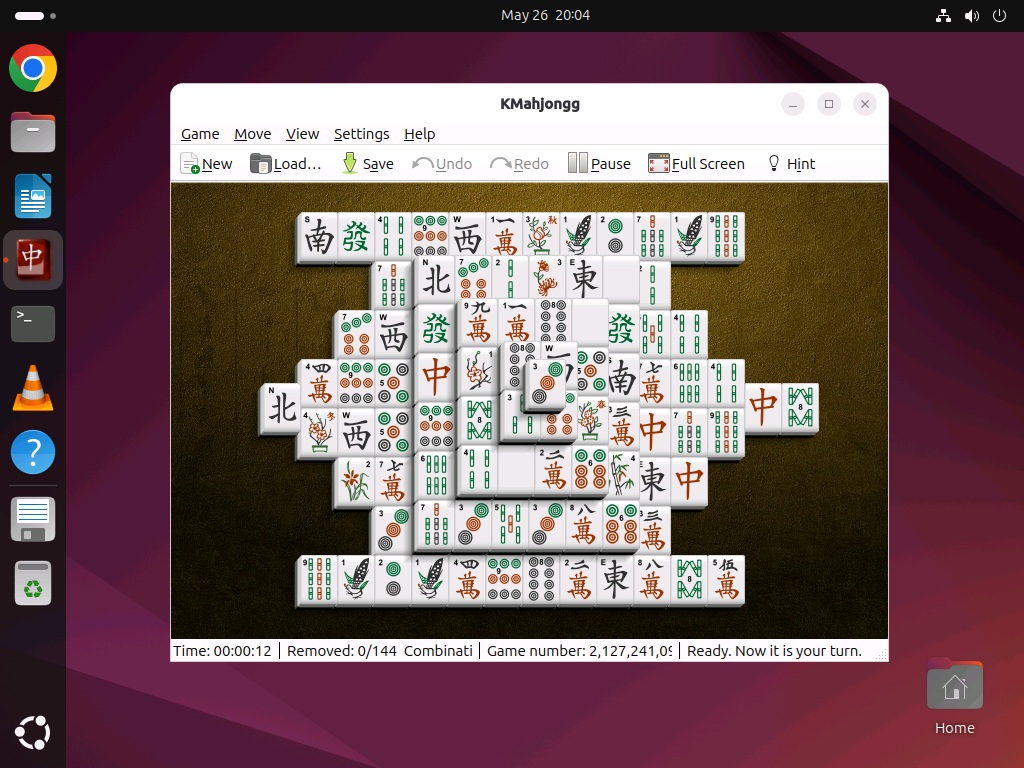
I installed KMahjongg from the software center and was honestly surprised by how polished and
enjoyable it was. Out of all the Mahjong-style games I have tried over the years, this may be
one of the best versions I have seen. The interface was clean, responsive, and easy to use,
making it strangely addictive during breaks between system testing. I found myself launching it
over and over again while experimenting with Ubuntu. Small experiences like this highlight how
much quality open-source software is available within the Linux ecosystem.
Beyond games, I also installed several standard applications that many users would consider
essential on a desktop computer. LibreOffice installed without issue and appears to provide a
solid alternative to Microsoft Office for basic document editing, spreadsheets, and
presentations. For users who mainly need standard office functionality, LibreOffice seems more
than capable for everyday home and business tasks.
I also installed VLC media player, which worked exactly as expected. VLC has long been one of
the most reliable media players available on multiple operating systems, so it was nice to see
it running smoothly on Ubuntu as well. Having familiar applications readily available helps
reduce the adjustment period for users transitioning away from Windows.
So far, all of the applications I tested launched and functioned normally within the virtual
machine environment. While my testing has been limited, the overall software installation
experience has been smooth and reliable. For anyone new to Linux, Ubuntu’s software management
system removes much of the intimidation factor that people often associate with Linux
distributions.
As I continue experimenting with Ubuntu and other Linux distros, I plan to test more advanced
applications, compatibility tools, and productivity software to see how well Linux can replace a
traditional Windows desktop in everyday use.
Overall Impression of Ubuntu (Gnome)
My overall experience with Ubuntu has been positive, especially considering that
this was meant to be a learning and testing project rather than a full-time operating system
replacement. The installation process was surprisingly fast and felt just as quick, if not
faster, than installing Windows 11 on similar hardware. Ubuntu also did a good job detecting
hardware, connecting to network resources, and installing software with very little
effort.
The biggest challenge for me was adjusting to the default GNOME desktop environment. Since I
have spent years using Windows, the GNOME layout felt very unfamiliar at first. The left-side
taskbar, simplified desktop, and different navigation style created a learning curve that slowed
me down during everyday tasks. I can absolutely understand why many Linux users enjoy the GNOME
interface because it looks modern and clean, but personally, it did not match the workflow I am
comfortable using.
That does not mean GNOME is bad. In fact, it is one of the most popular desktop environments in
the Linux world and is known for its stability and polished appearance. It simply feels designed
with a different philosophy than Windows, and longtime Windows users may need time to adapt
before it becomes comfortable.
If I were planning to use Ubuntu long term, I would probably switch to a Cinnamon-based desktop
environment instead. The Cinnamon desktop layout feels much closer to the traditional Windows
experience, with a more familiar taskbar, menu structure, and workflow. For users transitioning
from Windows, Cinnamon may reduce some of the frustration that comes with learning Linux for the
first time.
Out of the roughly half-dozen Linux distributions I have tested so far, I still find myself
preferring Linux
Mint overall. Linux Mint feels especially approachable for Windows users
and provides a comfortable balance between simplicity, performance, and familiarity. Even so,
Ubuntu deserves credit for its excellent hardware support, large community, beginner-friendly
setup process, and strong software ecosystem. It is easy to see why Ubuntu remains one of the
most recommended Linux distributions for new users entering the Linux world.